
A Practical Guide to Finding Reliable Commercial Building Repairs
October 16, 2026 by Kevin
Why Commercial Building Repairs Define the Long-Term Value of Your Property
Commercial building repairs are one of the most critical responsibilities any property owner or manager faces — and how you handle them directly affects tenant satisfaction, asset value, and operating costs.
Here is a quick overview of what most commercial properties need to stay in top shape:
- Routine maintenance — HVAC servicing, plumbing checks, lighting, and janitorial upkeep on a scheduled basis
- Preventive inspections — Roof, facade, and structural assessments to catch problems early
- Emergency repairs — Rapid response to water damage, structural failures, fire damage, or storm events
- Building envelope restoration — Waterproofing, stucco, windows, and roofing systems
- Energy efficiency upgrades — LED retrofits, insulation, and smart building systems
- Interior repairs — Drywall, flooring, doors, electrical, and plumbing fixes
The stakes are high. A well-maintained building keeps tenants productive and renewing leases. A neglected one loses both.
For multifamily apartments and flex spaces in Northern California and Northern Nevada, deferred repairs compound quickly. A small roof leak becomes a mold problem. A failing HVAC system drives tenant complaints. A cracked facade signals poor management to prospective tenants long before they ever walk through the door.
Every day a building underperforms, it costs money — in emergency repair premiums, in lost tenants, and in reduced asset value.
I’m Matt White, and in this guide I’ll walk you through everything you need to know to find reliable commercial repair services and build a smarter maintenance strategy for your properties.
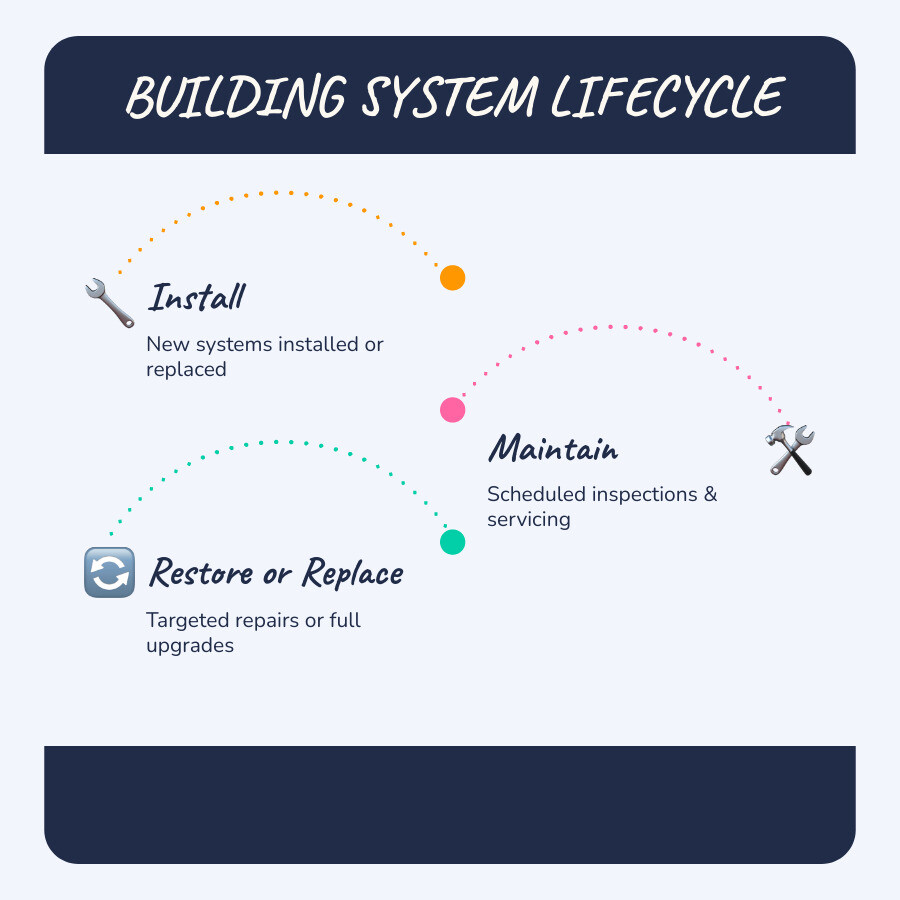
Essential Categories of Commercial Building Repairs
Managing multifamily apartment communities and high-performance flex spaces across regions like Sacramento, Santa Rosa, and Reno requires a deep understanding of building anatomy. Unlike simple residential structures, commercial properties feature highly integrated, heavy-use systems.
To keep your real estate portfolio performing at its peak, you must divide your maintenance and repair strategy into clear, actionable categories. This structured approach is the core of professional Facilities Maintenance, ensuring that no component of your property is neglected.
Routine Maintenance vs. Emergency Commercial Building Repairs
Understanding the distinction between routine maintenance and emergency commercial building repairs is the first step toward operational efficiency.
- Routine Maintenance: This is your scheduled, predictable upkeep. It includes changing HVAC filters, testing emergency exit signs, sealing minor concrete cracks, and clearing rain gutters. Routine maintenance is planned well in advance and executed with minimal disruption to your tenants.
- Emergency Repairs: These are sudden, high-stakes events that threaten life safety, property integrity, or business operations. Examples include a burst water main flooding an apartment corridor in Napa, a complete power failure at a flex office in Sparks, or severe storm damage to a roof in Vacaville.
While routine tasks can be scheduled within a standard 48-hour window, emergencies require rapid mobilization. Industry standards dictate that emergency “make-safe” responses occur within 4 hours to stabilize the property and prevent further damage. Failing to establish clear protocols for both styles of maintenance can lead to catastrophic operational failures. To protect your investments, you shouldn’t gamble on your upkeep strategy; resources like Don’t Gamble on Your Reno Facility Maintenance highlight the risks of ignoring these distinctions.
Building Envelope and Structural Restoration for Multifamily and Flex Spaces
The exterior shell of your building—the envelope—is its primary defense against the elements. In Northern California and Northern Nevada, the envelope must withstand wet coastal winters, intense valley heat, and alpine snow.
Key areas of structural and envelope restoration include:
- Waterproofing & Joint Sealants: Elastomeric joint sealants around windows, doors, and expansion joints degrade over time. Replacing them prevents water from migrating into wall cavities.
- Stucco and Concrete Restoration: Minor cracks in stucco or concrete can allow moisture to reach structural framing, leading to spalling, rot, or rust. Using specialized concrete patching and protective coatings preserves structural integrity.
- Window and Door Systems: High-traffic entry doors and window seals in multifamily properties require regular alignment, hardware replacement, and weather-stripping to maintain security and climate control.
- Roof Maintenance: Commercial roofs are highly complex assemblies. Whether your property utilizes TPO, PVC, or modified bitumen, resolving drainage issues, ponding water, and flashing failures promptly is vital. For specialized insights on commercial roofing, you can explore the processes outlined by experts in Commercial Roof Repairs | Moser Roofing Services .
If your building is experiencing more advanced envelope failures, structural reconstruction may be necessary. Looking at technical frameworks from experienced reconstruction teams, such as those discussed in Commercial Building Reconstruction Frameworks, reveals that comprehensive forensic testing and phased reconstruction are critical to resolving deep envelope defects.
Additionally, establishing a reliable baseline of your property’s physical health through professional assessments is highly recommended. To explore comprehensive maintenance frameworks, refer to the strategies offered in Commercial Building Repairs & Maintenance | Allied Commercial .
The Strategic Value of Preventive Maintenance and Energy Efficiency
Many property managers view maintenance as an unavoidable expense. However, shifting your mindset from reactive repairing to proactive asset management yields significant financial dividends. By investing in dedicated Property Services, you protect both your physical structure and your bottom line.
| Repair Category | Preventive Maintenance Cost | Emergency Repair Cost | Operational Impact |
|---|---|---|---|
| HVAC Systems | Low (Scheduled filter changes, coil cleaning, belt replacements) | High (Compressor failure, emergency tenant relocation) | High (Loss of heating/cooling, tenant complaints) |
| Roofing | Low (Annual drain clearing, minor flashing resealing) | Very High (Interior water damage, mold remediation) | Severe (Leaks in occupied spaces, asset damage) |
| Plumbing | Low (Regular leak inspections, water pressure monitoring) | High (Slab leak, burst pipe extraction, drywall repair) | Severe (Water shutoffs, structural damage) |
| Electrical | Low (Infrared panel scanning, tightening loose connections) | High (Breaker blowout, emergency generator rental) | High (Power outages, safety hazards) |
How Preventive Maintenance Extends System Lifespan
A rigorous preventive maintenance program acts as insurance for your building’s most expensive mechanical systems.
Take HVAC systems in Reno or Sacramento, for instance. During peak summer heat, these units run constantly. If a fan belt slips or a condenser coil becomes clogged with dust, the system must work twice as hard to cool the building. This extra strain accelerates wear and tear, cutting years off the system’s useful life. Regular inspections allow you to catch these minor issues before they cause a system-wide shutdown.
The same logic applies to commercial plumbing and roofing. By tracking, logging, and resolving minor issues through a centralized system, you maintain a complete history of your building’s health. For practical tips on organizing these tasks, read How to Master Office Space Maintenance Without Losing Your Mind.
Improving Energy Efficiency Through Targeted Commercial Building Repairs
Modern commercial building repairs do more than just fix what is broken—they optimize performance. With energy costs rising and building codes in California and Nevada tightening in 2026, energy efficiency is a key driver of property value.
Targeted repairs that reduce utility costs include:
- LED Retrofits: Upgrading old fluorescent fixtures to high-efficiency LEDs reduces lighting energy consumption by up to 50% while improving safety in common areas and parking lots.
- Smart Building Technology: Integrating smart thermostats and automated building management systems helps you monitor energy usage in real-time. Smart-enabled systems can even reduce excessive mechanical alarm messages by up to 98%, allowing your team to focus only on genuine repair needs.
- Insulation & Weatherization: Repairing damaged wall insulation and upgrading window seals keeps conditioned air inside, significantly lowering HVAC utility bills.
By partnering with a skilled maintenance provider, you can seamlessly combine routine repairs with energy-saving upgrades. Learn more about keeping your systems running efficiently in How a Facilities Services Company Keeps Your Business Running Smoothly.
Minimizing Disruption and Managing Complex Projects
Executing major repairs in an active multifamily community or a busy flex office building is a delicate balancing act. Tenants expect safe, quiet, and fully operational spaces. As a property manager, you must ensure that construction activities do not interfere with their daily lives or business operations.
Achieving this balance requires strict Construction Oversight and careful project planning.
Strategies for Occupied-Site Execution in Apartments and Flex Offices
To minimize tenant friction during major repairs, we recommend implementing “occupied-site execution” strategies:
- Phased Scheduling: Instead of shutting down an entire building, phase the work. For example, repair one apartment wing or one floor of a flex space at a time. This keeps the rest of the property fully operational.
- Off-Hours and Night Shifts: Schedule highly disruptive tasks—such as concrete drilling, major plumbing shutoffs, or utility tie-ins—during evenings or weekends when office tenants are away or apartment common areas are less active.
- Proactive Tenant Communication: Give tenants ample warning before work begins. Use digital portals, physical signage, and direct emails to explain the scope of work, expected noise levels, and temporary parking or access changes.
- Impeccable Site Cleanliness: Require your contractors to perform daily cleanups. Construction zones should be safely isolated with dust barriers and safety fencing, leaving zero debris behind at the end of each shift.
For a deeper dive into managing local regulatory requirements and inspections during these projects, read The Essential Guide to Santa Rosa Construction Oversight and Inspections.
The Benefits of a Single-Contractor Multi-Trade Model
Managing multiple independent subcontractors—an electrician, a plumber, a drywaller, and a painter—is an administrative headache. It leads to scheduling conflicts, finger-pointing when mistakes happen, and a mountain of separate invoices.
Choosing a single, multi-trade commercial contractor solves these issues. The benefits include:
- A Single Point of Contact: You work with one project manager who coordinates all trades, keeping you updated through weekly progress reports and photo documentation.
- Reduced Administrative Overhead: Instead of navigating multiple phone trees and payment terms, you receive one consolidated invoice.
- Cost Efficiencies: Large, multi-trade contractors often leverage bulk buying power on materials, saving you 10% to 25% on replacement parts and equipment.
- Lower Cost Per Work Order: Optimizing self-performance across multiple trades can lower your overall cost per technical work order by up to 29%.
To understand how professional project managers streamline these complex operations, refer to Why You Need Professional Project Management Consultants.
Navigating Emergency Restoration and Insurance Claims
When disaster strikes—whether it is a midnight pipe burst in Novato or storm damage in Reno—your immediate actions dictate the ultimate cost of the recovery. Having a pre-established emergency response protocol is vital for protecting your property and your tenants.
The Step-by-Step Emergency Restoration Process
When a building emergency occurs, professional restoration teams follow a strict, structured timeline to stabilize the property:
- Triage & Rapid Mobilization: The emergency response team arrives on-site within hours to assess life-safety hazards and shut off compromised utilities.
- Property Stabilization (Make-Safe): Technicians perform immediate, temporary repairs to stop further damage. This includes emergency roof tarping, water extraction, boarding up broken windows, or structural shoring.
- Structural Drying & Decontamination: Commercial-grade air movers and dehumidifiers are deployed to extract deep moisture from drywall, concrete, and subflooring, preventing mold growth.
- Detailed Damage Documentation: Every square foot of damage is photographed, measured, and cataloged to create an accurate record for insurance adjusters.
- Permanent Reconstruction: Once the building is dry and stable, the team transitions seamlessly into permanent repairs, restoring the property to its original condition.
For more information on emergency construction and rapid mobilization models, you can read about specialized services in Emergency Commercial Construction Services and Commercial Emergency Restoration Services.
Coordinating Repairs with Commercial Property Insurance
Navigating a major commercial insurance claim can be incredibly stressful. To ensure a smooth approval process and avoid out-of-pocket delays, follow these best practices:
- Document Everything Immediately: According to the Insurance Information Institute, prompt and thorough photo documentation of the initial damage significantly improves claim outcomes.
- Use Industry-Standard Scoping: Ensure your contractor details the repair scope using standard estimating software like Xactimate. This is the exact format insurance carriers use, which speeds up approval times.
- Coordinate with Your Lender: For large claims, mortgage companies often issue multi-party checks. Contact your lender early in the process to understand their fund-release requirements so construction is not delayed.
- Understand Withholding Rules: In many jurisdictions, property owners can legally withhold a portion of the final payment (often up to 150% of the value of incomplete items) until final punch-list items, such as back-ordered fixtures, are fully completed.
To explore the full lifecycle of commercial restoration and how to manage claims efficiently, review the processes outlined in Commercial Restoration Services | National Restoration | National Restoration .
Frequently Asked Questions About Commercial Repairs
Navigating commercial maintenance can raise many questions. Here are answers to some of the most common queries property managers face, along with resources on local service providers like those found in Top Commercial Building Maintenance Companies in Rohnert Park.
What should be included in a comprehensive commercial property maintenance plan?
A robust maintenance plan should serve as a complete operational playbook for your property. It must include:
- A Detailed Asset Registry: A list of every major system (HVAC units, roofs, electrical panels, water heaters) including age, model numbers, and warranty details.
- Routine Inspection Schedules: Calendar-mapped tasks categorized by frequency (daily, weekly, monthly, quarterly, and annually).
- Emergency Response Protocols: Clear, step-by-step instructions for on-site staff during emergencies, including utility shut-off locations and preferred vendor contact numbers.
- Budgeting & Capital Planning: A rolling five-year capital expenditure (CapEx) plan to forecast major system replacements and avoid financial surprises.
How do I choose the right commercial repair contractor in Northern California and Nevada?
When vetting repair partners, always verify the following criteria:
- Proper Licensing and Insurance: Ensure the contractor holds active, valid commercial licenses in California (CSLB) or Nevada (NSCB), along with substantial public liability and workers’ compensation insurance.
- Local Geography Experience: Choose a contractor who understands local building codes, weather patterns, and permitting processes in your specific city, whether that is Santa Rosa, Sacramento, or Reno.
- Multi-Trade Capability: Look for a partner who can self-perform a wide range of services, reducing your need to manage multiple niche vendors.
- A Strong Safety Record: Ask for their safety training protocols and OSHA compliance history to ensure they maintain safe, clean job sites.
Can repairs be completed while tenants occupy multifamily or flex spaces?
Yes, absolutely. In fact, most commercial repairs are executed in occupied buildings. By utilizing phased scheduling, setting up clear safety barriers, performing loud demolition work during off-hours, and maintaining constant, transparent communication with your tenants, you can complete even major structural repairs with minimal impact on daily life or business operations.
Conclusion
Keeping your real estate assets in peak condition requires a proactive mindset, a structured strategy, and the right partners. Whether you are managing modern apartment communities in Petaluma and Sacramento or high-performance flex spaces in Reno and Sparks, staying on top of commercial building repairs is the single best way to protect your physical structures, retain high-quality tenants, and maximize your long-term return on investment.
At Basin Street Properties, we believe in creating superior tenant experiences and building enduring relationships through a win-win philosophy. By treating maintenance not just as an expense, but as a strategic tool for asset preservation, you set your properties up for lasting success.
If you are ready to optimize your property management strategy and explore high-performance real estate solutions, discover our Real Estate Asset Services and Solutions for Savvy Investors and learn more about our professional Facilities Maintenance Services. Let’s work together to keep your buildings performing at their very best.